




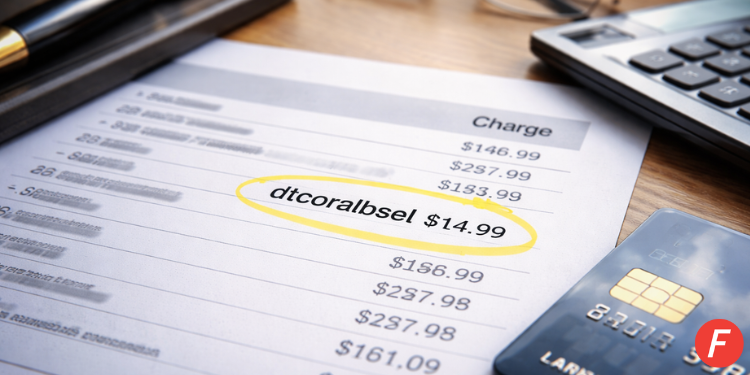
Seeing dtcoralbsel on your bank statement can be confusing, especially if you don’t remember buying anything with that name. In most cases, this is not a company or brand but a billing descriptor used by a payment processor to label a transaction. Banks often display shortened or coded names, which is why this transaction label may look unfamiliar. This situation is common with online services, subscriptions, and digital purchases processed through third-party systems. Learn what dtcoralbsel means on your bank statement, why this billing descriptor appears, how to identify the charge, and what to do if it’s unrecognized.
What a Billing Descriptor and Merchant Descriptor Really Mean
A merchant descriptor is the text that appears on your statement to describe a charge. Sometimes it shows a clear business name, and sometimes it shows a technical code like dtcoralbsel. This happens because payment networks limit how much text can be displayed. When that limit is reached, the system may use an internal identifier instead. The result is a billing descriptor that makes sense to banks and processors, but not always to customers.
Why dtcoralbsel Often Looks Like an Unrecognized Charge
Many people first notice dtcoralbsel when scanning their statement and assume it’s an unrecognized charge. In reality, it is often linked to a subscription renewal, an app purchase, or an online service billed through a third-party payment processor. Because the visible name doesn’t match the brand you remember, the charge feels suspicious. This mismatch between the real merchant and the displayed transaction label is one of the most common causes of confusion.
How Payment Processors Create Transaction Labels
A payment processor sits between your bank and the business you pay. It handles authorization, security, and settlement of transactions. During this process, it assigns a transaction label that fits the system’s formatting rules. Sometimes that label is the brand name, and sometimes it’s a shortened or coded merchant descriptor like dtcoralbsel. This is especially common for digital services, software tools, and international or multi-platform billing systems.
How to Identify the Source of a dtcoralbsel Charge
The easiest way to identify a dtcoralbsel charge is to compare the date and amount with your recent activity. Check your email for receipts, review your subscription lists, and look at your app or service billing history. In many cases, you’ll find a matching payment that explains the billing descriptor. This quick review often turns a worrying unrecognized charge into a simple reminder of a service you’re already using.
What to Do If You Truly Don’t Recognize the Charge
If you cannot match the dtcoralbsel entry to anything you’ve purchased, contact your bank or card provider. Ask them for more details about the merchant descriptor behind the charge. They can often see the full merchant name, location, and billing information. If the charge is confirmed as unauthorized, you can dispute it and take steps to secure your account and prevent further issues.
Why These Confusing Charges Are Becoming More Common
As more services move online, confusing billing descriptors are appearing more often on every bank statement. Streaming platforms, cloud tools, mobile apps, and subscription services frequently rely on third-party processors. This increases the chance that you’ll see a technical transaction label instead of a familiar brand name. The growth of digital payments has made convenience better, but statement clarity sometimes worse.
How to Prevent Future Confusion With Your Statements
You can reduce stress by keeping a simple list of your active subscriptions and reviewing it regularly. Enable transaction alerts from your bank so you’re notified when new charges appear. This makes it easier to spot an unrecognized charge quickly and confirm whether it’s linked to a real service. A few small habits can help you stay in control when labels like dtcoralbsel show up.
Is dtcoralbsel a Scam or Just a Technical Label?
In most cases, dtcoralbsel is simply a technical transaction label, not a scam or a hidden company. The name itself does not indicate fraud. What matters is whether the charge matches something you authorized. By understanding how payment processors, merchant descriptors, and billing descriptors work, you can review your statements calmly and respond only when something truly looks wrong.
Read More: Usha Vance Net Worth: Career, Family, and the Life She Leads Today
FAQs:
What is dtcoralbsel on my bank statement?
dtcoralbsel is usually a billing descriptor or merchant descriptor used by a payment processor. It is a technical transaction label, not a brand name, and often represents a subscription or digital service payment.
Is dtcoralbsel an unrecognized charge I should worry about?
Not always. Many people think it’s an unrecognized charge because the name looks strange. First, check your subscriptions and recent purchases before assuming it’s fraudulent.
Why doesn’t my bank statement show the real company name?
Banks and payment networks limit how much text can appear. Because of this, the merchant descriptor may be shortened or replaced with a code like dtcoralbsel instead of the full business name.
How can I find out who charged me under dtcoralbsel?
You can review your receipts, subscription history, or contact your bank. They can usually provide more details about the payment processor and the real merchant behind the transaction label.
What should I do if the dtcoralbsel charge is not mine?
If you confirm it’s truly unauthorized, contact your bank immediately, dispute the charge, and follow their steps to secure your account and prevent further suspicious activity.