



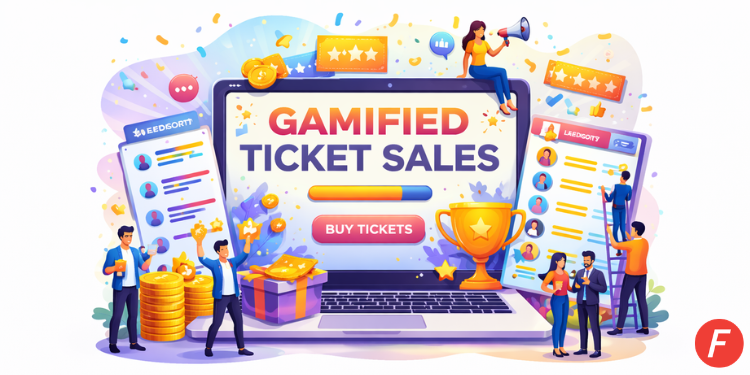
The gamificationsummit method ticket sales approach is gaining attention in modern event marketing because it transforms the simple act of buying tickets into an engaging digital experience. Instead of relying only on advertisements or email campaigns, organizers create interactive activities that motivate people to participate before they even attend the event. This method blends gamification, digital marketing, and community engagement to increase ticket demand. As competition among events continues to grow, many organizers are exploring gamified strategies to capture attention and encourage more consistent ticket purchases. Discover the GamificationSummit method ticket sales strategy that boosts engagement, referrals, and ticket conversions through interactive gamification.
Understanding the GamificationSummit Method Ticket Sales Strategy
The gamificationsummit method ticket sales model focuses on using game-like elements to improve the traditional ticket selling process. In this strategy, potential attendees are encouraged to participate in promotional activities that gradually lead them toward purchasing a ticket. These activities may include completing challenges, inviting friends, or sharing event details online. By rewarding participation, organizers keep audiences involved for longer periods. This approach shifts ticket sales from a simple transaction into a dynamic experience that builds anticipation and interest around an event.
How the GamificationSummit Method Ticket Sales Process Works
In most campaigns, the gamificationsummit method ticket sales process begins when a potential attendee discovers an event through social media, digital ads, or search engines. Instead of immediately purchasing a ticket, the user is introduced to a gamified system where small actions can earn points or rewards. Participants may share the event, refer friends, or interact with event content. As they progress through these tasks, they unlock incentives such as discounts or exclusive access, which naturally guide them toward purchasing a ticket.
Core Elements Behind GamificationSummit Method Ticket Sales
The success of gamificationsummit method ticket sales depends on several interactive components working together. These often include points systems, referral programs, leaderboards, and limited-time rewards. Points motivate users to stay active, while referrals expand the event’s reach through trusted recommendations. Leaderboards create friendly competition among participants, encouraging them to complete more tasks. Limited incentives such as early access or bonus rewards add urgency, which often leads to faster ticket purchases and stronger overall engagement.
Why Gamification Improves Ticket Sales Performance
Gamification increases engagement because it appeals to natural human motivations such as competition, curiosity, and achievement. The gamificationsummit method ticket sales strategy takes advantage of these motivations by rewarding users for interacting with an event campaign. When people receive recognition or rewards for participating, they tend to stay involved for longer periods. This longer engagement increases the chances that participants will purchase tickets and recommend the event to others, creating a cycle of organic promotion.
Benefits of the GamificationSummit Method for Event Organizers
Event organizers often see multiple advantages when using the gamificationsummit method ticket sales strategy. One major benefit is expanded visibility because participants naturally promote the event through referrals and social sharing. Another advantage is stronger audience engagement before the event begins. This early interaction helps build a community around the event, which can improve attendance and participation. Additionally, gamified campaigns generate useful marketing data that helps organizers understand audience behavior and improve future promotions.
Building Strong Pre-Event Engagement
One important reason the gamificationsummit method ticket sales strategy is gaining popularity is its ability to create excitement before the event takes place. Instead of waiting until the event date approaches, audiences interact with the campaign through challenges and rewards. This continuous engagement keeps the event visible in their minds and builds anticipation over time. When attendees finally arrive at the event, they already feel connected to the community and are more enthusiastic about participating.
Challenges of Implementing Gamified Ticket Sales
Although the gamificationsummit method ticket sales model offers many benefits, it also requires careful planning. Organizers must ensure that the gamified system remains simple and easy for participants to understand. If the process becomes too complex or rewards feel insignificant, users may lose interest quickly. Technology is another important factor because reliable platforms are needed to track points, referrals, and participation. A well-designed system can overcome these challenges and maintain strong user engagement.
Tips for Successfully Using the GamificationSummit Method Ticket Sales
To maximize results with gamificationsummit method ticket sales, organizers should focus on clear instructions and meaningful rewards. Participants should easily understand how to earn points or unlock benefits. Rewards such as discounted tickets, exclusive sessions, or VIP access often motivate stronger participation. Promoting the gamified campaign across social media, email marketing, and event websites also helps attract more participants. When these elements work together, gamification can become a powerful tool for increasing ticket demand.
Conclusion
The growing interest in interactive marketing suggests that gamificationsummit method ticket sales will continue to influence event promotion strategies. As digital technology evolves, organizers may integrate mobile apps, personalized rewards, and advanced analytics to improve engagement. Hybrid and virtual events are also creating new opportunities for gamified experiences. By combining creativity with technology, event marketers can develop innovative ticket-selling campaigns that attract audiences and maintain long-term interest in future events.
Read More: Porsha Williams: Life, Career, and Everything Fans Want to Know
FAQs:
What is the gamificationsummit method ticket sales strategy?
The gamificationsummit method ticket sales strategy is a marketing approach that uses gamification techniques such as rewards, points, and referrals to encourage audience participation and increase ticket purchases. Instead of selling tickets through simple promotions, organizers create interactive campaigns that motivate people to engage with the event before buying a ticket.
Why is the gamificationsummit method ticket sales becoming popular?
The gamificationsummit method ticket sales approach is becoming popular because it increases engagement and encourages organic promotion. Participants often share events with friends or social networks to earn rewards, which expands the event’s reach without relying solely on paid advertising.
How does gamification help increase ticket sales?
Gamification helps increase ticket sales by making the marketing process interactive and rewarding. In the gamificationsummit method ticket sales model, users earn incentives for participating in promotional activities. These incentives motivate them to stay engaged with the event and eventually purchase tickets.
Can small events use the gamificationsummit method ticket sales strategy?
Yes, even smaller events can benefit from the gamificationsummit method ticket sales approach. Simple referral campaigns, reward systems, or social media challenges can create engagement without requiring large budgets. The key is to design a system that encourages participation and offers meaningful rewards.
Is the gamificationsummit method ticket sales suitable for online events?
The gamificationsummit method ticket sales strategy works well for both in-person and online events. Virtual conferences, webinars, and digital summits can use gamified systems to encourage sharing, participation, and community engagement before the event begins.